
CRITICAL COMMUNICATIONS

Critical Communications

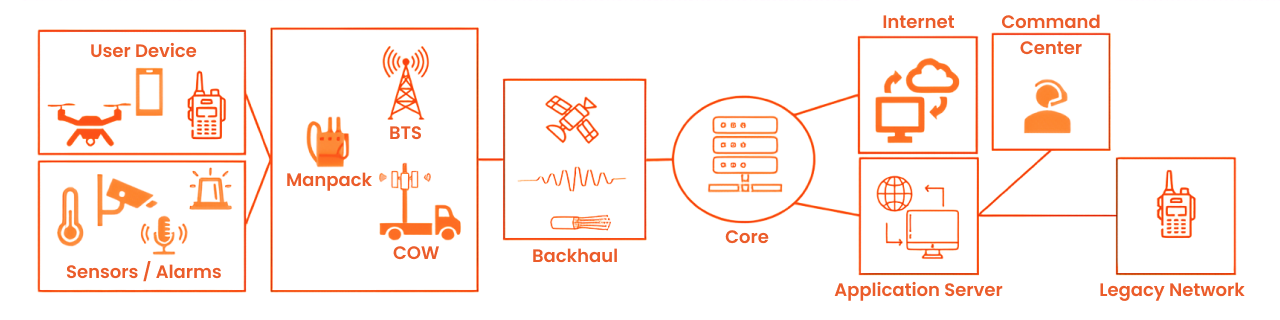
Public safety and essential government functions demand communications infrastructure that is secure, resilient, and operational during any scenario, including major emergencies and disasters. At SEATELSAT, we address this vital need by providing the strategic capital and specialized technology required to build and deploy high-availability critical communication networks. Our solutions are designed to ensure seamless, secure connectivity when it matters most.

Technology Backbone: 450 MHz and MCx

We specialize in deploying networks that meet the rigorous standards for Mission-Critical Services (MCx), ensuring dedicated and prioritized access for public safety and emergency services (PPDR). Our technical strategy is centered on leveraging low-band frequency for maximum coverage and reliability.

Our critical infrastructure is built around two foundational components: the 450 MHz Frequency (Band 31/72) and MCx Standards. The 450 MHz Frequency is utilized for the access layer of the network. Furthermore, our implementation adheres to MCx Standards (3GPP Mission Critical Push-to-Talk, Video, and Data standards), meaning all communications are reliable, encrypted, and compatible with modern emergency service equipment.

This specialized architecture delivers a significant Strategic Advantage in critical network deployment. The 450 MHz Frequency provides Wide-Area Coverage & Resilience, offering superior geographical reach and deep indoor penetration. This makes it ideal for covering vast rural areas and maintaining service continuity within structures during emergencies. Adherence to MCx Standards ensures full Interoperability & Security for essential public safety and government operations.
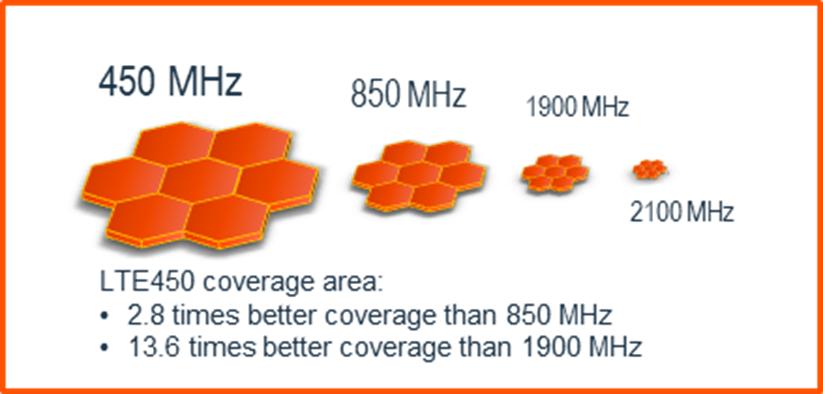
450 MHz Coverage Superiority

3gpp Standard - MCx

MISSION CRITICAL (MCx)

  • High reachability, availability and reliability of the service
  • Low latency, real-time operating capabilities
  • Highly secured operations
  • Inter-operability with other services and systems
  • Private and Group communications
  • Handling of emergencies
  • Ability to provide Prioritization, Pre-emption, Queuing, and QoS
  • Group communication
  • Group management & affiliation
  • Security & confidentiality
  • Multiple user profile
  • Simultaneous multiple UE
  • User prioritization
  • Broadcast group
  • Late communication entry
  • Multi-receiving / monitoring
  • Private communication
  • Interconnection between MC
  • Interworking with other MC and legacy system

MC-PTT
(TS 22.179)

MC-Data
(TS 22.282)

MC-Video
(TS 22.281)

MC-Railways
(TS 22.289)

MC-Maritime
(TS 22.819)

  • Half duplex
  • Group call
  • Private call
  • Broadcast call
  • Admin & dispatcher function
  • On-network and off-network connection
  • User prioritization
  • Messaging
  • File distribution
  • Data streaming
  • IP proxy and connectivity
  • Conversation management
  • Data base enquiries
  • Secured internet access
  • Robots control
  • Interworking
  • Video real time streaming
  • Video surveillance
  • Video communication
  • Video conference
  • Video push & pull service
  • CCTV offload from train
  • Multimedia transfer to train
  • Inter-carriage data transfer
  • Automated train control
  • Mobile broadband services at sea
  • Vessel machine type communication
  • Maritime authorities’ communication

MC-PT
(TS 22.179)

  • Half duplex
  • Group call
  • Private call
  • Broadcast call
  • Admin & dispatcher function
  • On-network and off-network connection
  • User prioritization

MC-Data
(TS 22.282)

  • Messaging
  • File distribution
  • Data streaming
  • IP proxy and connectivity
  • Conversation management
  • Data base enquiries
  • Secured internet access
  • Robots control
  • Interworking

MC-Video
(TS 22.281)

  • Video real time streaming
  • Video surveillance
  • Video communication
  • Video conference
  • Video push & pull service

MC-Railways
(TS 22.289)

  • CCTV offload from train
  • Multimedia transfer to train
  • Inter-carriage data transfer
  • Automated train control

MC-Maritime
(TS 22.819)

  • Mobile broadband services at sea
  • Vessel machine type communication
  • Maritime authorities’ communication

Integrated Network Architecture

Our Critical Communications solution is built to deliver massive capacity and absolute resilience by integrating multiple access technologies and strategic investments.
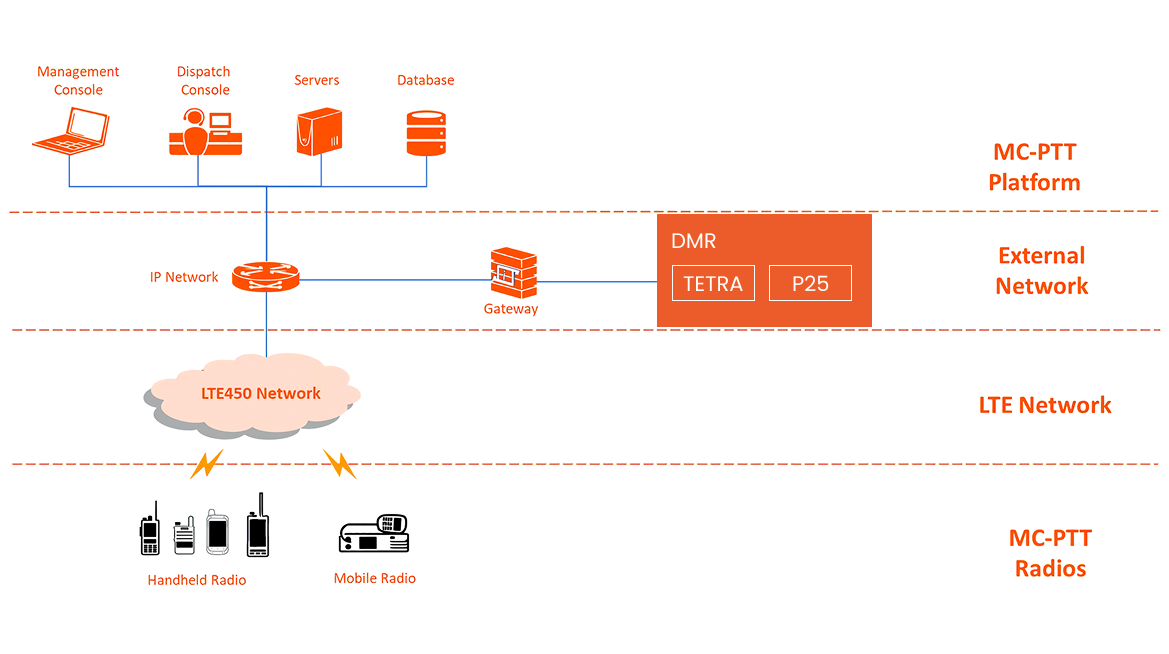
MCx on LTE450 System Architecture

Plans for Infrastructure Investments

Investments to Deliver Capacity of
30-60 Gbps

  • Acquire Fibre Optic operator in Bali
  • Looking for acquire VSAT operator
  • Looking for FWA opportunities esp. low frequency Wireless Bands
  • Lorem ipsum dolor sit amet, consectetur
  • adipiscing elit. Ut elit tellus, luctus nec ullamcorper
  • mattis, pulvinar dapibus leo.
  • Lorem ipsum dolor sit amet, consectetur
  • adipiscing elit. Ut elit tellus, luctus nec ullamcorper
  • mattis, pulvinar dapibus leo.
  • Lorem ipsum dolor sit amet, consectetur
  • adipiscing elit. Ut elit tellus, luctus nec ullamcorper
  • mattis, pulvinar dapibus leo.

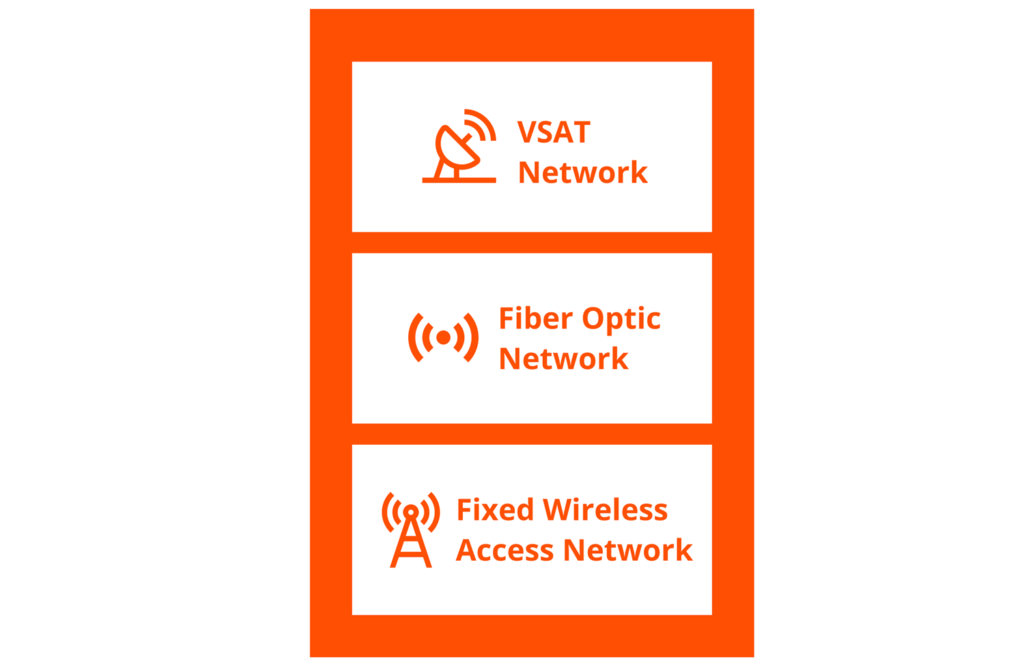
The diagram above illustrates how SEATELSAT’s investment strategy focuses on integrating VSAT, Fiber Optic, and Fixed Wireless Access (FWA) Networks with the Telecom Core to ensure the necessary capacity and resilience for our critical communications mandate. Our investment plans include:

  • Acquisitions & Strategic Investments: Looking to acquire Fiber Optic and VSAT operators to rapidly secure essential components of the network backbone.
  • Low-Frequency Advantage: Actively looking for FWA opportunities, especially those utilizing low-frequency Wireless Bands (e.g., 450 MHz), to enhance widespread coverage and resilience for PPDR.

Regulatory & Use Case Validation

Our experience extends beyond technology into the crucial areas of compliance and implementation, ensuring project feasibility and viability.

  • PPDR/Public Safety: We provide the secure network foundation that enables crucial services like real-time surveillance, Push-to-Talk (PTT), and mobile data access for police, fire, and other first responders.
  • Regulatory Compliance: We have deep experience navigating regulatory requirements (such as those from KOMDIGI) to secure and deploy networks in designated frequency bands reserved for government and critical purposes.
  • Secure Infrastructure: The deployment of dedicated critical communication solutions ensures that public safety and government operations are isolated from commercial traffic, guaranteeing priority access and minimizing security risks.

Ready to Shape Your Digital Future?