
Our firm’s success, passion and knowledge of the emerging markets has been built over long and varied careers.

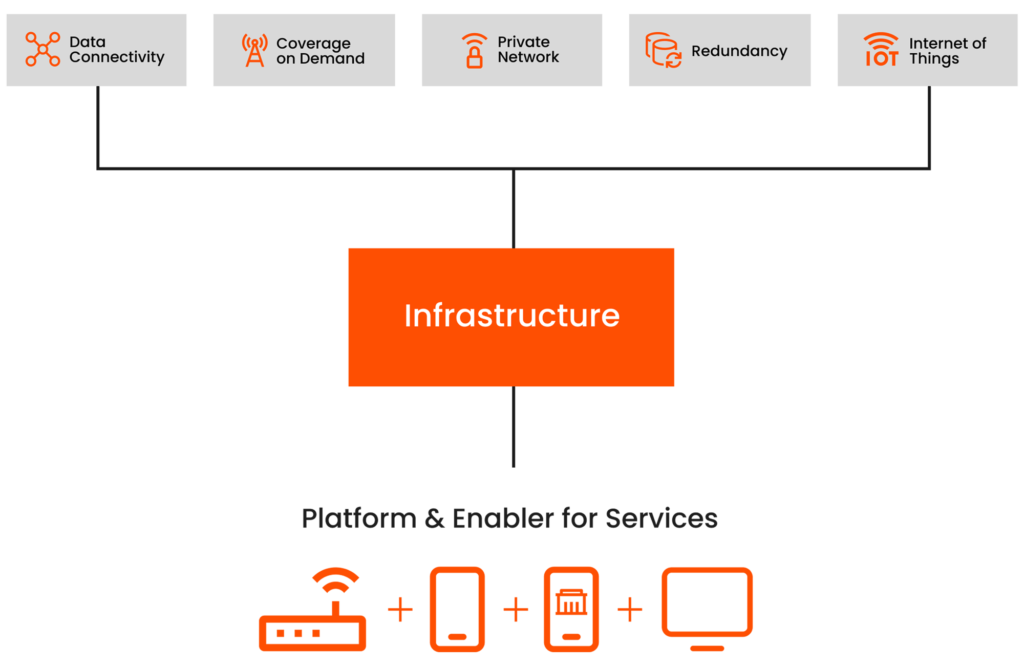
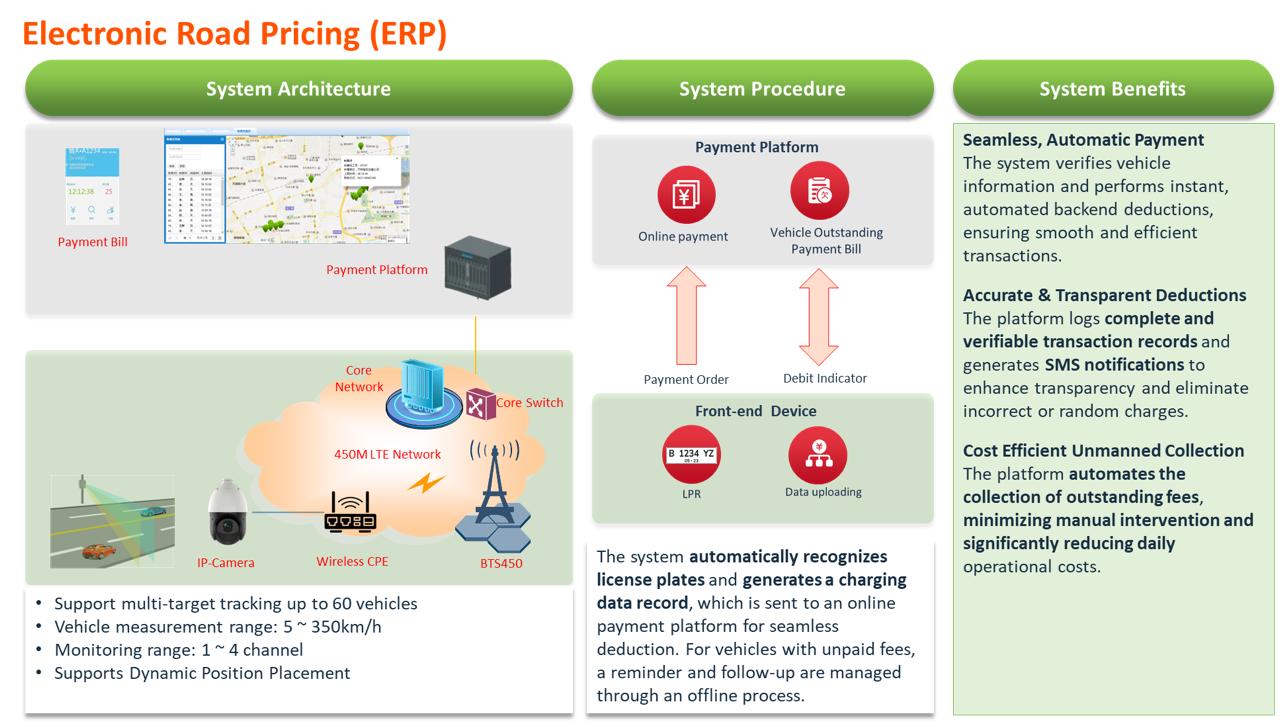
Enabling urban transformation through advanced infrastructure, focusing on efficiency, revenue assurance (ERP), and optimizing municipal services.

Ensuring highly reliable and secure networks for emergency services and public safety (PPDR/MCx), leveraging resilient network architecture.

Expanding coverage to underserved rural communities by designing and funding cost-effective, viable deployment models for true inclusive access.
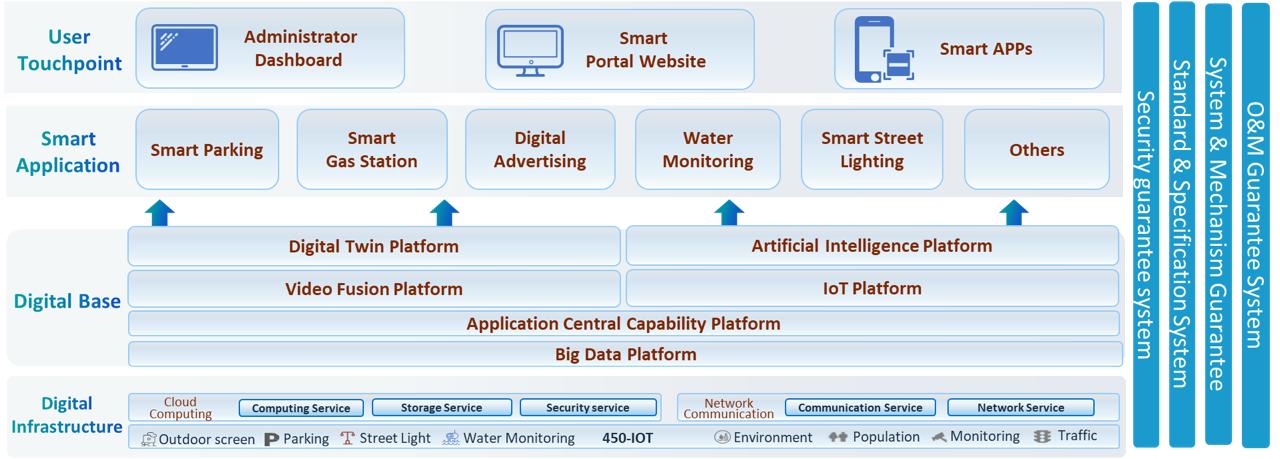
The rapid urbanization across Southeast Asia demands strategic and intelligent infrastructure. At SEATELSAT, we provide the capital and next-generation architecture to transform cities into efficient and responsive hubs. Our solution aims to establish a unified platform integrating four key components: digital infrastructure, digital base, smart applications, and user touchpoints. This platform is designed to ensure holistic integration, coordinated operations, and reusable components for scalable urban management. Our Smart City solutions are built upon a secure, multi-layer network designed for massive IoT and mission-critical data demands. We leverage our expertise and experience to build ubiquitous, resilient connectivity, delivering sustainable, high-impact outcomes.
Public safety and essential government functions demand communications infrastructure that is secure, resilient, and operational during any scenario, including major emergencies and disasters. At SEATELSAT, we address this vital need by providing the strategic capital and specialized technology required to build and deploy high-availability critical communication networks. Our solutions are designed to ensure seamless, secure connectivity when it matters most.
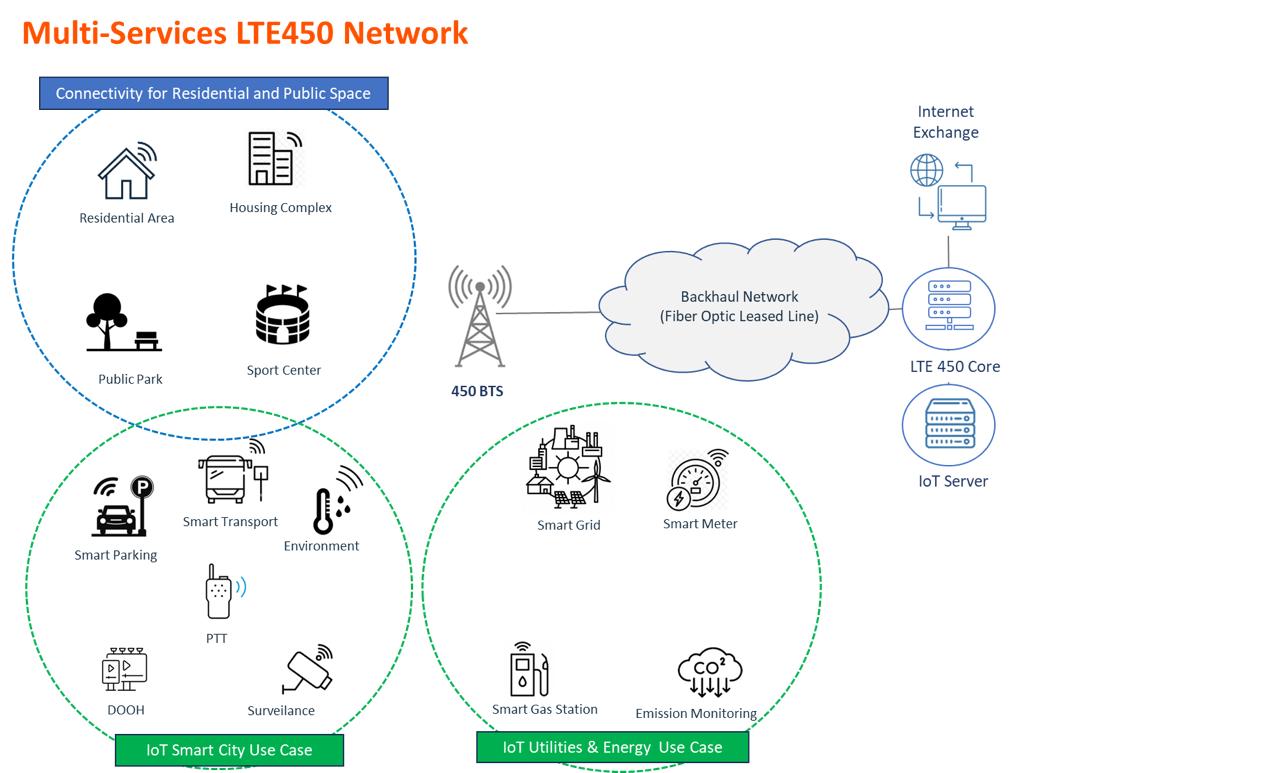
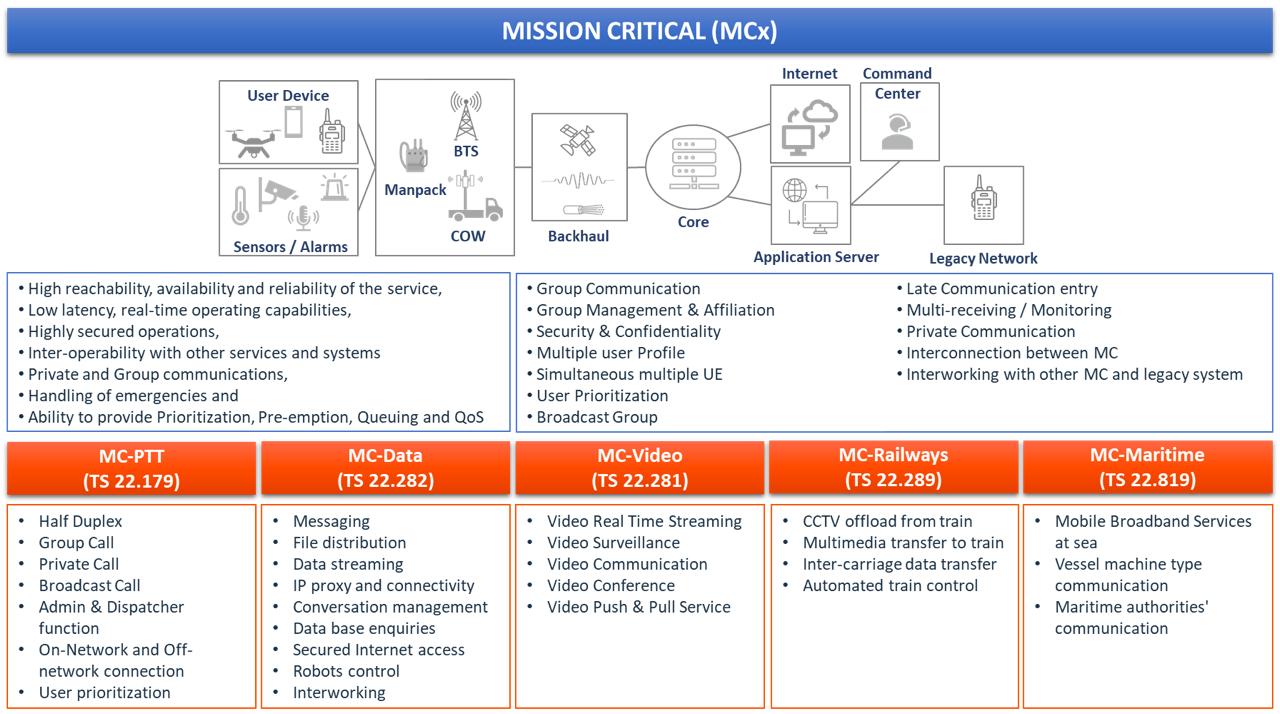
We specialize in deploying networks that meet the rigorous standards for Mission-Critical Services (MCx), ensuring dedicated and prioritized access for public safety and emergency services (PPDR). Our technical strategy is centered on leveraging low-band frequency for maximum coverage and reliability.
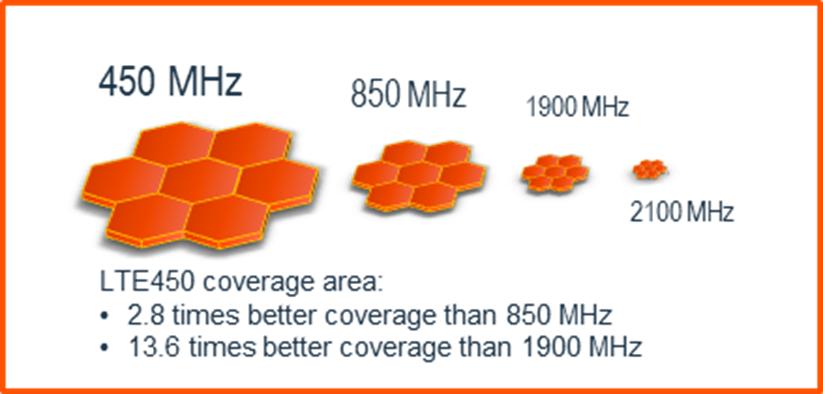
Our critical infrastructure is built around two foundational components: the 450 MHz Frequency (Band 31/72) and MCx Standards. The 450 MHz Frequency is utilized for the access layer of the network. Furthermore, our implementation adheres to MCx Standards (3GPP Mission Critical Push-to-Talk, Video, and Data standards), meaning all communications are reliable, encrypted, and compatible with modern emergency service equipment.
This specialized architecture delivers a significant Strategic Advantage in critical network deployment. The 450 MHz Frequency provides Wide-Area Coverage & Resilience, offering superior geographical reach and deep indoor penetration. This makes it ideal for covering vast rural areas and maintaining service continuity within structures during emergencies. Adherence to MCx Standards ensures full Interoperability & Security for essential public safety and government operations.
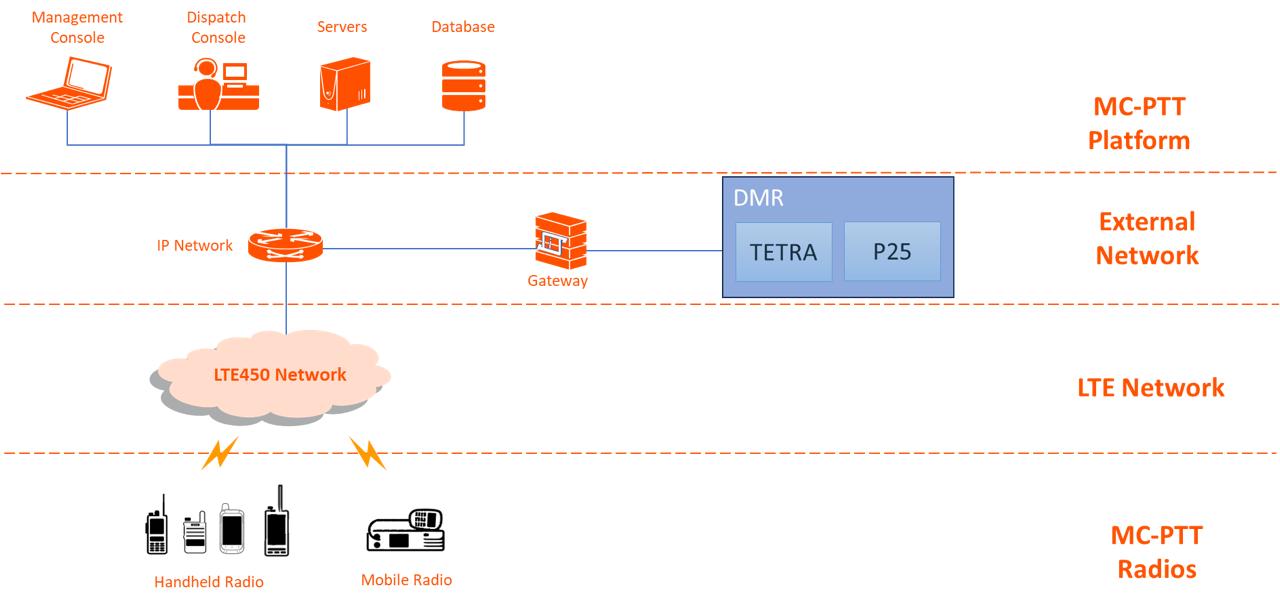
Our Critical Communications solution is built to deliver massive capacity and absolute resilience by integrating multiple access technologies and strategic investments.
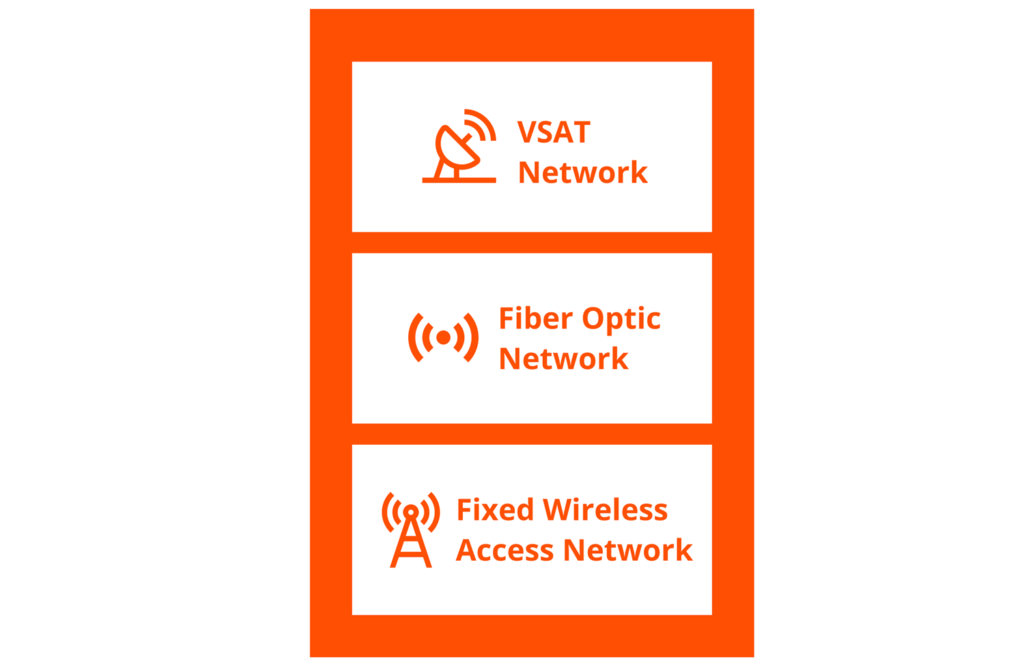
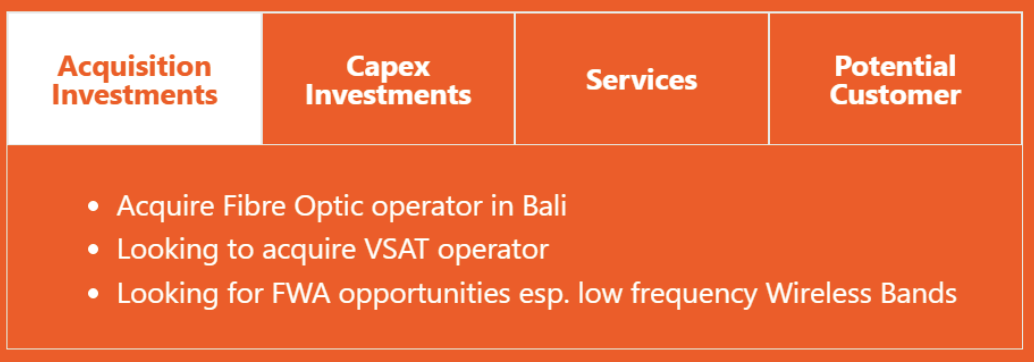
The diagram above illustrates how SEATELSAT’s investment strategy focuses on integrating VSAT, Fiber Optic, and Fixed Wireless Access (FWA) Networks with the Telecom Core to ensure the necessary capacity and resilience for our critical communications mandate. Our investment plans include:
Our experience extends beyond technology into the crucial areas of compliance and implementation, ensuring project feasibility and viability.
The lack of connectivity in underserved rural and remote communities represents a significant barrier to economic growth and social equity. At SEATELSAT, we view this challenge as a strategic investment opportunity. Our goal is to provide financially viable, inclusive access that integrates seamlessly with national development objectives, driving digital and economic empowerment across the region.
2. Financial Viability
Our models convert rural access from a social cost to a sustainable asset by focusing on:
3. Market Focus and Strategic Investment
Our investment strategy is targeted, ensuring that capital is deployed where the need and the growth potential are highest. This focus allows us to provide targeted solutions that align with local industry and geographic needs.
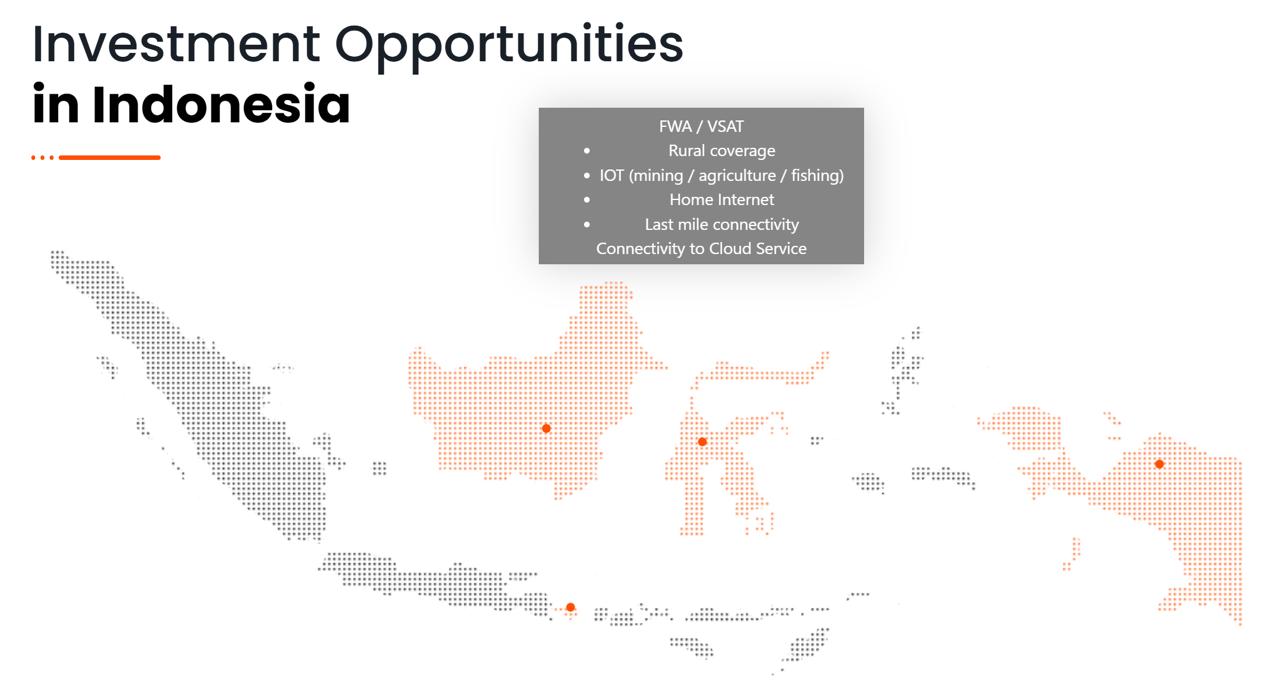
The map above illustrates our market concentration in Indonesia, where we focus on delivering connectivity solutions across key regions. Our investment targets are tailored to the specific economic needs of these areas:
4. Social and Economic Impact
Our success is measured by both financial return and the advancement of community life. By delivering inclusive connectivity, we enable:
Indonesia’s Financial Inclusion Issues Overlap with the Digital Deficit in Certain Regions
Build Networks in Partnership with Infrastructure Players to Provide Fintechs with the Platforms to Innovate & Deliver Financial Services